This also gives stomach ADH more time to begin metabolizing the alcohol before it is fully absorbed. Driving under the influence (DUI) is a serious offense that can have drug addiction severe consequences. When a driver’s blood alcohol level exceeds the legal limit, their ability to operate a vehicle safely becomes impaired.
Tools for Measuring Blood Alcohol Content
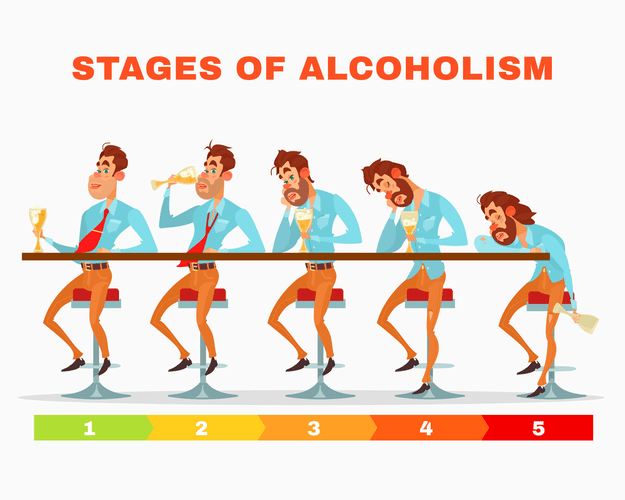
If you take prescription or over-the-counter medications, ask your healthcare provider for advice about alcohol intake. Recognize that even herbal medicines and supplements can have adverse interactions with alcohol. As BAC rises to the excitement stage (0.09% to 0.25%), individuals experience emotional instability, slurred speech, and delayed reaction time. The confusion stage (0.18% to 0.30%) leads to gross disorientation, staggering, and a high likelihood of nausea or vomiting. Levels exceeding 0.30% can lead to stupor, coma, and death due to respiratory arrest, where the body’s involuntary breathing mechanisms shut down.

Blood alcohol level charts
The only sure way to reduce BAC is to give your body time to metabolize the alcohol. The liver can only process a certain amount of alcohol per hour, so waiting is essential. It’s important to note that factors like sleep and exercise do not speed up the process of alcohol metabolism. Remember, seeking help and support is a sign of strength and a proactive step towards a healthier relationship with alcohol. Blood alcohol level is influenced by the rate at which alcohol is absorbed into the bloodstream and the speed at which it is metabolized and eliminated from the body. The effects of alcohol on the body can vary based on the individual’s BAC.
Factors That Affect Blood Alcohol Concentration
Alcohol acts as a diuretic, causing the body to increase urine production and excrete more fluid than is consumed. This occurs because alcohol inhibits the release of vasopressin, an antidiuretic hormone that signals how long does alcohol stay in your system the kidneys to reabsorb water. The higher the percentage, the more intoxicated and impaired a person becomes.
Fatigue
Once alcohol enters the bloodstream, the body’s total blood volume is tightly regulated by homeostasis. Consuming large amounts of water does not significantly dilute the alcohol concentration because the kidneys immediately excrete the excess fluid. Adding water to the system does not speed up the liver enzymes or alter the overall trajectory of alcohol elimination. While many believe home remedies, such as a cold shower or coffee, will help them become sober, time is the only way to reduce blood alcohol levels. For example, having a BAC of 0.10 percent means there is about one drop of alcohol for every 1,000 drops of blood present in the body.
- Age considerations become important as metabolism typically slows with aging, potentially leading to higher BAC levels and longer elimination times in older adults.
- Certain medications can potentially interfere with breathalyzer readings or amplify alcohol’s effects, though they don’t actually change your true BAC.
- In the United States, one standard drink equals 12 ounces of beer (5% alcohol), 5 ounces of wine (12% alcohol), or 1.5 ounces of distilled spirits (40% alcohol).
- Technology can provide helpful estimates, but professional testing remains the only reliable method for accurate BAC determination.
Blood alcohol level refers to the concentration of alcohol in a person’s bloodstream. It is typically measured as a percentage known as blood alcohol concentration (BAC). The legal limits for BAC vary across different jurisdictions, but the general consensus is that a higher BAC indicates a higher level of impairment.
- By monitoring your blood alcohol content (BAC), you can make informed decisions about your alcohol consumption and take necessary precautions.
- Eating food, especially foods high in protein and fat, can help slow the absorption of alcohol and reduce the rate at which BAC rises.
- Since the liver processes alcohol at a fixed rate, drinking multiple standard drinks quickly overwhelms metabolic capacity, causing a sharp spike in BAC.
- This section will provide an overview of what blood alcohol levels are and the various factors that can influence them.
Calculating BAC
These tests detect alcohol metabolites and can indicate recent alcohol consumption, though they’re less precise for determining current impairment levels compared to breath or blood tests. These direct measurements analyze actual blood samples in laboratory settings, providing precise alcohol concentration readings. Blood tests are typically reserved for serious legal cases, accidents involving injuries, or when breathalyzer results are contested.
- Since most alcohol absorption occurs in the small intestine, delaying movement there significantly slows the rate at which alcohol enters the bloodstream.
- Alcohol is then transported to the liver, the primary site of metabolism, where it is processed in a two-step sequence involving specialized enzymes.
- However, the exact time varies depending on factors like metabolism, body weight, and overall health.
- Understanding blood alcohol content empowers individuals to make responsible decisions that prioritize safety, legal compliance, and personal wellbeing.
- The amount of alcohol consumed directly correlates with BAC levels, but the rate of consumption significantly impacts peak BAC.
When consumption exceeds this rate, excess alcohol accumulates in the bloodstream, causing the BAC to rise rapidly. The long-term effects of excessive drinking can be detrimental to both physical and mental health. It’s important to be aware of these risks and make responsible choices regarding alcohol consumption. After 1-2 drinks, alcohol produces decreased inhibition and concentration with increased sociability.